


Introduction
Sweetness has always been a part of human culture—from jaggery in traditional Indian sweets to sugar in modern packaged foods. But in today’s world, excessive sugar consumption is a silent epidemic. It doesn’t just add empty calories; it contributes to obesity, diabetes, heart disease, and dental issues.
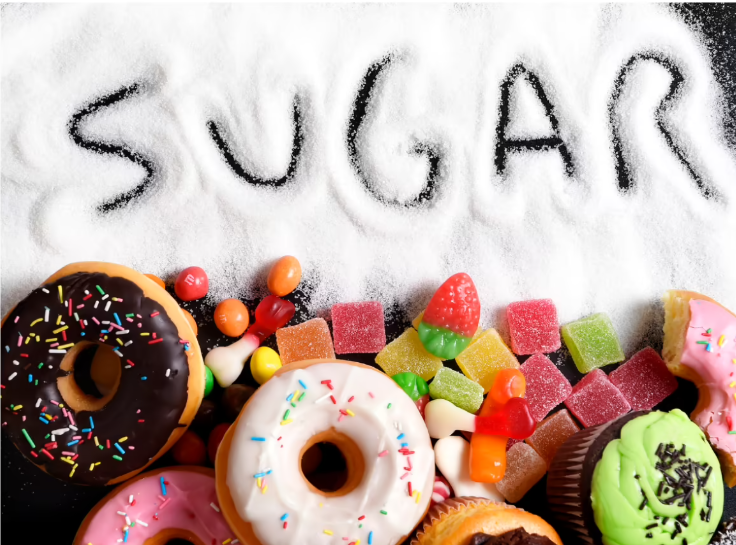
Many people don’t realize how much hidden sugar they consume daily through soft drinks, packaged snacks, breads, sauces, and even “healthy” flavored yogurts. That’s where our Sugar Intake Calculator comes in—it helps you determine how much sugar you’re consuming versus how much you should be consuming.
Why Sugar Intake Matters
Sugar provides quick energy, but it comes at a cost. Unlike complex carbs, which release energy slowly, refined sugar spikes blood sugar levels rapidly, leading to a crash soon after. Over time, this pattern strains the pancreas, increases fat storage, and raises the risk of chronic diseases.
Excess sugar intake is linked to:
- Obesity and belly fat
- Type 2 diabetes
- Heart disease (due to high triglycerides and inflammation)
- Dental cavities
- Fatty liver disease
In India, the burden is particularly high—studies estimate that more than 77 million Indians live with diabetes, and the number is rising sharply due to changing diets and sedentary lifestyles.
How Much Sugar is Safe Per Day?
Health authorities provide clear guidelines on daily sugar intake:
- World Health Organization (WHO): Less than 10% of daily calories from added sugar. Ideally, reducing it to 5% gives greater health benefits.
- American Heart Association (AHA):
- Women: 25 g (6 teaspoons)
- Men: 36 g (9 teaspoons)
- Indian Council of Medical Research (ICMR): Advises adults to keep added sugar intake below 20–25 g per day for better metabolic health.
👉 For context: One 300 ml bottle of a popular soft drink in India contains about 35–40 g of sugar, which already exceeds the safe daily limit.
Hidden Sources of Sugar in an Indian Diet
Most people associate sugar with sweets like gulab jamun or chocolate. But the real danger lies in hidden sugars:
- Packaged fruit juices and soft drinks
- Breakfast cereals and flavored oats
- Bakery items (bread, biscuits, cakes)
- Ketchup, sauces, and salad dressings
- “Low-fat” flavored yogurt
- Energy drinks and packaged teas/coffee mixes
Even home-cooked Indian food isn’t sugar-free—think of tea with extra sugar, halwa, or sweetened lassi.
The Link Between Sugar, Weight, and Energy
Consuming too much sugar triggers a rollercoaster of blood glucose levels. You feel energetic for a short time but crash soon after, leading to fatigue and more cravings. This cycle of sugar highs and crashes makes it harder to maintain a healthy weight and consistent energy levels.
For those trying to lose belly fat or control diabetes, reducing sugar intake is one of the most effective first steps.
How Our Sugar Intake Calculator Helps
Our Sugar Intake Calculator allows you to:
- Track how much sugar you consume daily
- Compare it against WHO, AHA, and ICMR guidelines
- Identify whether your intake is “safe,” “high,” or “very high”
- Make better food choices with awareness of hidden sugars
Instead of relying on guesswork, the calculator gives you a personalized assessment so you can adjust your diet intelligently.
Tips to Reduce Sugar Intake (Practical & Indian-Friendly)
- Switch to natural sweeteners like stevia or jaggery in moderation.
- Read food labels carefully—many “healthy” products hide sugar under names like glucose syrup, maltose, or fructose.
- Cut down on sugary drinks—replace colas with fresh coconut water or unsweetened lemonade.
- Balance traditional sweets—enjoy ladoos or rasgullas occasionally, not daily.
- Train your palate—reduce sugar gradually in tea and coffee until you enjoy the natural flavor.
Conclusion
Sugar is not inherently evil, but the modern lifestyle has pushed consumption far beyond healthy limits. Excess sugar silently damages your body, increasing the risk of diabetes, obesity, and heart disease. The good news is, once you’re aware of your intake, you can take steps to reduce it.
Use our Sugar Intake Calculator to evaluate your current consumption and take control of your health today. Small changes—like skipping that extra spoon in your tea or avoiding packaged juices—can make a big difference in the long run.