


Introduction
You promise yourself, “I’ll make up for sleep on the weekend.” But can you really? The truth is, while the body can recover from an occasional late night, chronic lack of sleep adds up over time—a phenomenon known as sleep debt.
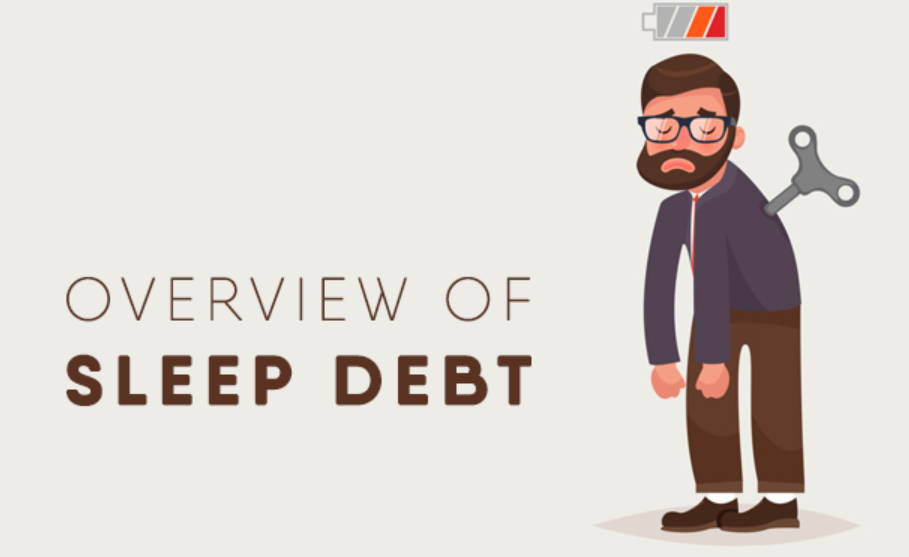
Just like financial debt, the more you accumulate, the harder it becomes to pay back. Sleep debt affects mood, productivity, fitness, and long-term health. Our Sleep Debt Calculator helps you measure how far behind you are and shows what it takes to catch up.
What is Sleep Debt?
Sleep debt is the difference between the amount of sleep you need and the amount of sleep you actually get.
For example:
- If you need 8 hours of sleep but only sleep 6 hours, you create a 2-hour sleep debt.
- Over a week, that debt adds up to 14 hours.
Unlike money, you can’t simply “repay” all lost sleep at once by sleeping in. While extra rest helps, long-term debt causes lasting effects on brain and body function.
Why Sleep Debt is Dangerous
Even small, consistent sleep loss has a ripple effect:
- Cognitive decline: Difficulty focusing, slower reaction times, memory lapses.
- Hormonal imbalance: Increases hunger hormones (ghrelin), decreases satiety hormones (leptin).
- Weakened immunity: Higher risk of frequent colds and infections.
- Weight gain & diabetes risk: Poor glucose control from chronic sleep loss.
- Mental health issues: Irritability, anxiety, and even depression.
Studies show that people with long-term sleep deprivation have a higher risk of heart disease, obesity, and early mortality.
How Much Sleep Do You Really Need?
The average adult requires 7–9 hours per night, though exact needs vary by age, activity, and health:
- Teenagers: 8–10 hours
- Adults: 7–9 hours
- Older adults: 7–8 hours
The problem is, most working professionals and students in India get only 5–6 hours, leading to significant debt.
Can You Repay Sleep Debt?
The good news: Yes, but it takes time and consistency. Sleeping in one weekend helps, but it doesn’t fully erase chronic debt.
To recover:
- Sleep extra hours consistently for several nights, not just one.
- Establish a fixed sleep schedule and stick to it.
- Nap smartly: Short naps (20–30 min) can reduce daytime fatigue without disturbing night sleep.
- Prioritize rest over stimulation: Reduce screen time and late-night caffeine.
Why Use a Sleep Debt Calculator?
Our Sleep Debt Calculator allows you to:
- Calculate how much sleep you’re missing each week
- See the total hours of “debt” your body carries
- Get actionable suggestions for recovery
- Realize the long-term effects of chronic fatigue
Awareness is the first step—once you know your numbers, you can take corrective action.
Conclusion
Sleep debt may sound harmless, but over weeks and months it chips away at your health, mood, and productivity. The body can adapt for a while, but eventually the debt comes due—often in the form of illness, burnout, or weight gain.
Use our Sleep Debt Calculator today to check how much rest you owe yourself, and start making sleep a non-negotiable investment in your future health.